


Water Quality Monitoring of Islamabad's Water Supplies
The Pakistan Council of Research in Water Resources (PCRWR), established under the PCRWR Act (2007), is mandated to conduct, organize, and promote research on all aspects of water resources, including irrigation, drinking water, and sewerage management. Clause (c) of Section 4 of the Act empowers PCRWR to initiate national water quality monitoring programmes across both urban and rural Pakistan. Since 2001, PCRWR has been implementing the National Water Quality Monitoring Program (NWQMP), which has expanded from 24 cities to 70 cities by 2025, maintaining a comprehensive national water resources database. Alongside this national initiative including Islamabad, PCRWR also conducts periodic water quality monitoring of the water supplied in Islamabad, the capital city of Pakistan.
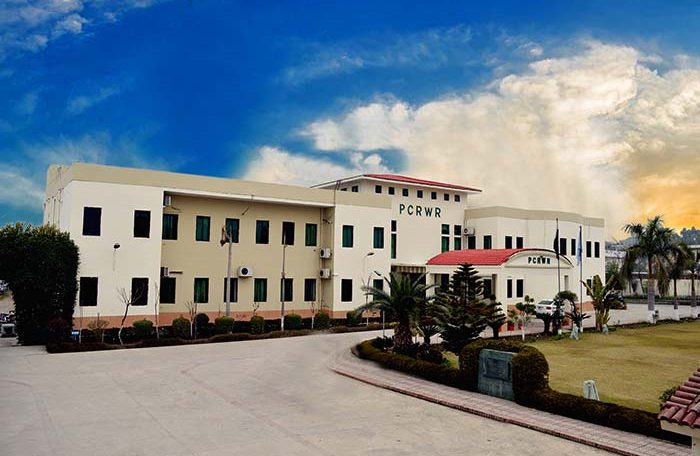
Water Quality Monitoring in Islamabad
At the PCRWR Headquarters, Islamabad, the National Water Quality Laboratory (NWQL), an ISO/IEC 17025:2017 accredited facility undertakes water sampling, testing, quality assurance, and interpretation of test data following internationally approved standards. These include:
- American Public Health Association (APHA), 24th Edition, 2023
- U.S. Environmental Protection Agency (EPA) protocols
- World Health Organization (WHO) guidelines
The analytical data are compared with the following standards to ensure compliance with public health benchmarks:
The NWQL has maintained ISO/IEC 17025 accreditation since 2006 and operates a Laboratory Information Management System (LIMS) to ensure traceability, reliability, and quality of test results.
Overview of Islamabad’s Water Supply Sources
Islamabad’s water supply comes from a combination of surface and groundwater resources:
- Simly Dam: 24 million gallons per day (MGD)
- Khanpur Dam: 7 MGD
- Groundwater: 28 MGD extracted through around 200 tubewells
- Private and municipal wells: supplementary sources for rural and peri-urban sectors
Given the city’s growing population, maintaining safe and reliable drinking water is a pressing concern. Despite ongoing efforts by service providers, issues related to contamination and treatment persist, highlighting the importance of PCRWR’s continuous monitoring and public advisories.
PCRWR’s monitors Islamabad’s water supplies with aim to evaluate the quality of drinking water supplied to the public, highlight the need for improvements in short- and long-term treatment processes, and safeguard public health against contamination; however, PCRWR conducts such assessments only when directed by higher forums or as required. The findings from these assessments are published here for the benefit of stakeholders, policymakers, and the general public:
ISB WQM Report March 2025

ISB WQM Report Oct. 2024
ISB WQM Report June 2024
ISB WQM Report Sept. 2018
Commitment to Safe Water for All
PCRWR remains committed to its mission of ensuring safe and sustainable water for all by strengthening national and local water monitoring systems, enhancing laboratory capabilities, and facilitating public health.
For inquiries, feedback, or technical assistance regarding water quality in Islamabad, please contact: